The March 2026 Immigration Shake-up: What the New ‘Visa Brake’ and Salary Rules Mean for You
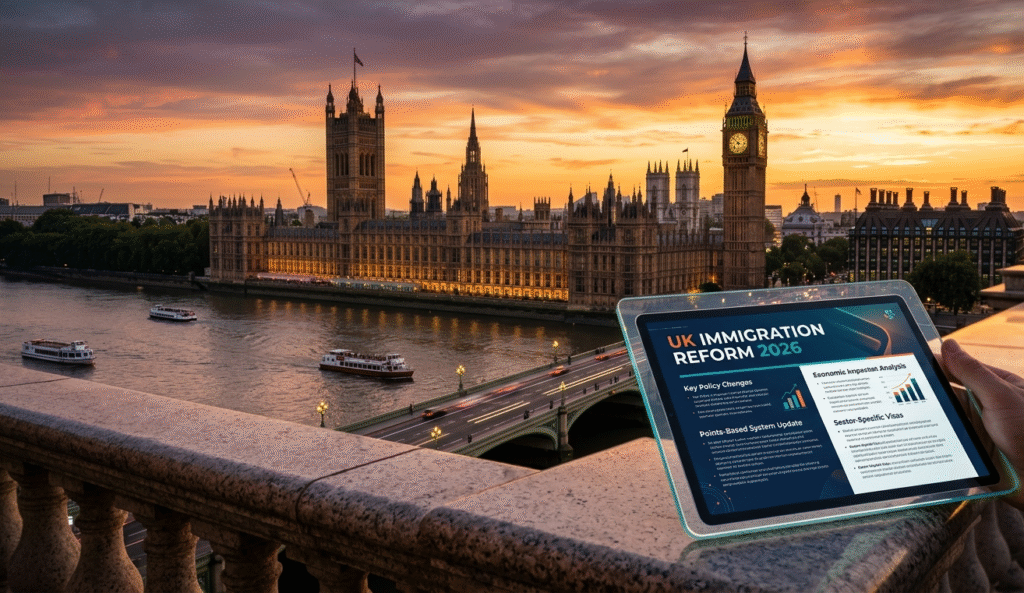
The UK’s immigration landscape has just undergone one of its most significant shifts in years. Following the Home Office’s Statement of Changes (HC 1691), a series of “emergency brakes” and stricter compliance measures are now in effect. Whether you are a business owner sponsoring international talent or an individual planning your route to settlement, these changes—staggered between March 2026 and 2027—will impact your strategy.
At The UK Eye, we’ve broken down the three most critical updates you need to know this month.
1. The ‘Visa Brake’: New Restrictions for 2026
In a bold move to manage asylum claim rates, the government has introduced a “Visa Brake” for specific nationalities.
- Effective March 26, 2026: Afghan nationals are currently ineligible to apply for entry clearance under the Skilled Worker route.
- Student Visa Restrictions: A similar “emergency brake” has been applied to student visas for nationals from Afghanistan, Cameroon, Myanmar, and Sudan.
- Visitor Visas: Nationals from Nicaragua and St. Lucia now require a standard visit visa prior to travel, ending their previous eligibility for the Electronic Travel Authorisation (ETA).
2. Salary Compliance: No More “Annual Averaging”
For employers, the most administrative change involves how you pay your sponsored staff. Previously, the Home Office often reviewed salary compliance on an annual basis.
- The Change: From April 7, 2026, sponsored workers must be paid the required minimum salary in every single pay period.
- The Impact: This allows UK Visas & Immigration (UKVI) to detect underpayment instantly via real-time payroll data. Employers who fail to meet the threshold in even a single month could face immediate sponsor license investigations.
3. The Path to Settlement: Higher English Language Bars
The government is raising the standard for those seeking to call the UK their permanent home.
- B2 Requirement: For several routes—including Skilled Worker, Global Talent, and Innovator Founder—the English language requirement for Indefinite Leave to Remain (ILR) is rising from level B1 to B2.
- Timeline: While announced now, this change is deferred until March 26, 2027, giving current visa holders a one-year window to improve their proficiency and take the necessary tests.
🔍 Analysis: Why Now?
These changes signal a pivot toward “high-trust” migration. By tightening salary monitoring and pausing routes from high-asylum regions, the government aims to reduce net migration numbers while ensuring that those who do come are contributing to high-value sectors, such as the newly expanded Design Pathway under the Global Talent route.
💡 What Should You Do Next?
- Sponsors: Review your payroll cycles immediately. Ensure no “pro-rata” or seasonal dips in pay fall below the minimum threshold.
- Applicants: If you are a designer or researcher, check the new Global Talent criteria; these routes have actually been simplified to attract top-tier global innovators.
- Stay Informed: Follow the UK Eye for our upcoming “90-Day Readiness Plan” for SMEs navigating these legal changes.